YoungHeartValve
Inspired by nature
Perfected by engineeers
YoungHeartValve’s market-disruptive, durable biopolymeric technology, with worldwide exclusive rights, is poised to set a new standard for the growing market of low-risk patients.
YoungHeartValve has developed a novel biopolymeric leaflet engineered to resist thrombosis and calcification while enabling scalable, cost-efficient manufacturing.
The leaflets molecularly integrate durable, flexible polyethylene with hyaluronic acid to create a hydrophilic, biocompatible, and long-lasting heart valve material.
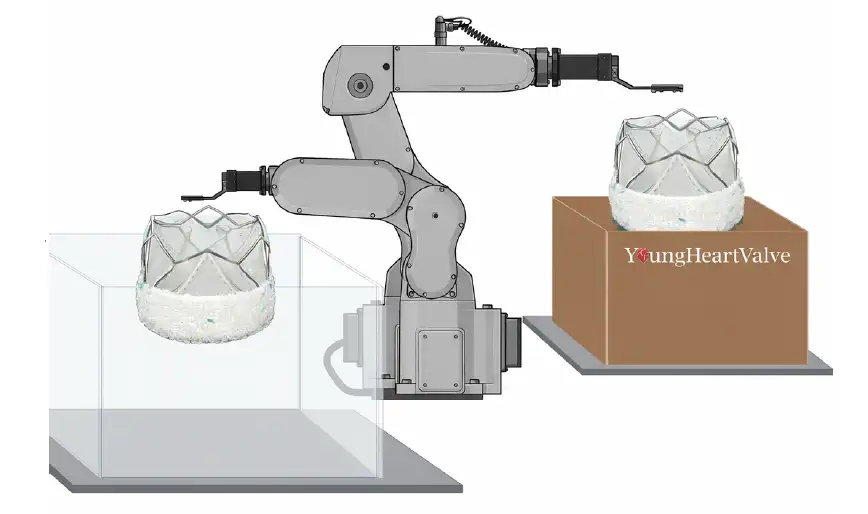
Our proprietary all synthetic valve supply chain eliminates costly animal-tissue supply chains of established and upcoming technologies
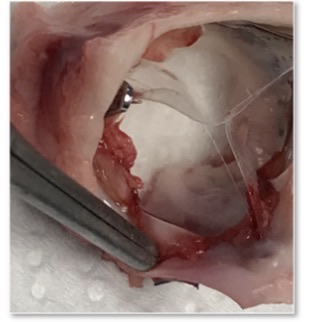
In 6-month chronic animal studies (juvenile sheep), our valve demonstrated sustained biocompatibility with no calcification, no blood-clotting, and no requirement for lifelong blood thinners.
YoungHeartValve’s key innovation is a synthetic polymer leaflet material in which hyaluronic acid is integrated at the molecular level. The company developed proprietary chemistry that converts otherwise hydrophobic polyethylene into a permanently hydrophilic and biocompatible material. Rather than applying a surface coating that can wear off, the hyaluronan is interpenetrated throughout the polymer structure itself, so the biological functionality is built into the material. The leaflet is composed of approximately 98% linear low-density polyethylene (LLDPE) and about 2% hyaluronic acid in an interpenetrating polymer network. Because the hyaluronic acid is distributed throughout the bulk polymer, its biological functionality remains stable in the mechanically demanding environment of the heart. The hydrated interface reduces protein adsorption and platelet adhesion, directly addressing thrombus formation and mineral nucleation pathways that drive structural valve degeneration. These effects have been demonstrated in chronic large-animal studies up to six months, showing absence of leaflet calcification and thrombotic deposition.
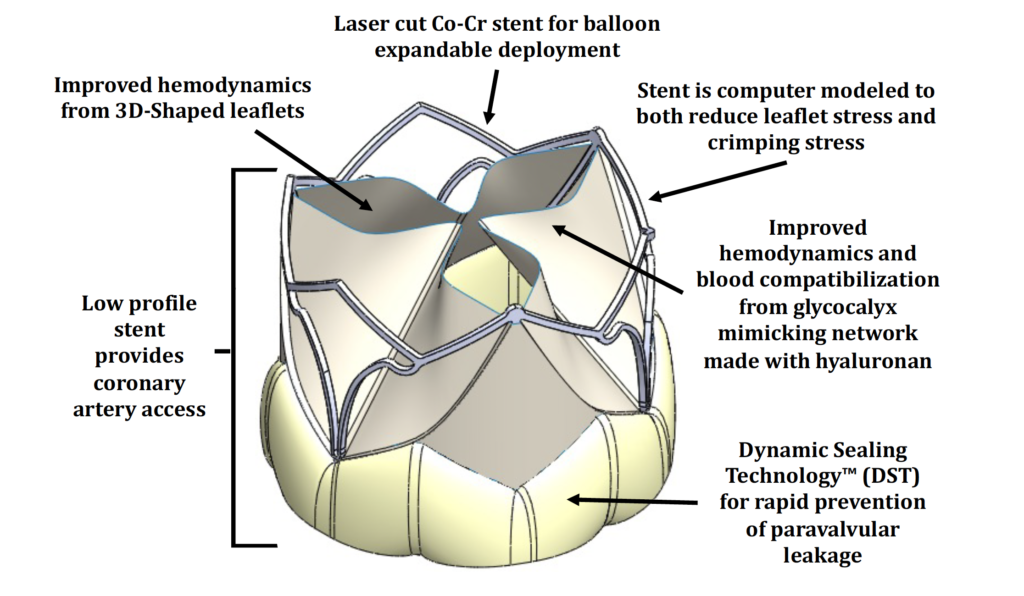
Inspired by nature and perfected by Young Heart Valve engineers, the Transcatheter Aortic Valve combines the gold-standard hemodynamics of bioprosthetic TAVR’s with the longevity of mechanical surgical valves.
Polyethylene leaflets are treated with hyaluronic acid to form a robust interpenetrating polymer network. Hyaluronan is found in native heart valve leaflets and in the glycocalyx of blood vessels. This unique material prevents thrombosis and calcification.
The thermoplastic polymer can be shaped to match native leaflet curvature providing superior hemodynamics when compared to bioprosthetic valves.
Coronary artery disease is present in at least 40% of TAVR patients. While coronary artery access remains an issue with many TAVR designs the Valve has a low profile allowing for coronary access.
Paravalvular leakage remains one of the highest reasons for all-cause mortality in TAVR patients. Our DSTTM greatly reduces paravalvular leakage within one hour of deployment.
By eliminating animal tissue and extensive suturing from our product the Rejuvenate ValveTM will cost a fraction of current products opening markets in countries such as China and India.